Basic Beef Burgers

Burgers aren’t a very frequent meal in our house. I’m not sure why. Peter and the kids adore them and serving themselves makes for a very happy family meal.

It’s been several weeks in isolation now, and our local supermarket is still very low on many things (totally empty shelves in many aisles) so our grocery shopping and planning has looked a little different. We’ve needed to be a little more creative and adaptive with what we can access – that’s ok by me!!

When my biggest boys asked for Cheeseburgers, we went back to the style of burger patties that we haven’t made in a long time. Very simple, quick to make and not many ingredients. Devoured by everyone. Winning.

  • 500g beef mince
  • 1 large carrot
  • 1 medium brown onion
  • 1 tsp fresh chopped thyme (or dried Italian Style herbs)
  • 4 tbsp Nutritional Yeast*
  • 1 clove garlic, finely grated (or 1/2 tsp dried garlic flakes)
  • ground salt and pepper to taste
  • 2 tsp coconut aminos (or soy sauce)
  • Optional: 2 tbsp hemp seeds

*You can add in 2 tbsp of suitable breadcrumbs here if you’d prefer.

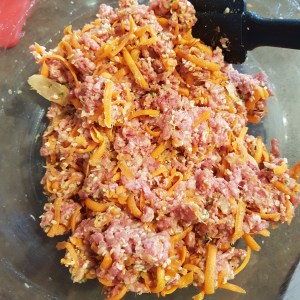
Grate the onion and carrot and mix together with all other ingredients, except the beef.

20200417_184801

Break up the beef mince and add to the carrot mix.

Smoosh (yes, that’s the technical term!) the mince in until well combined. You can do this with a spoon, your hands,  or even a short burst in the food processor.

20200417_184820

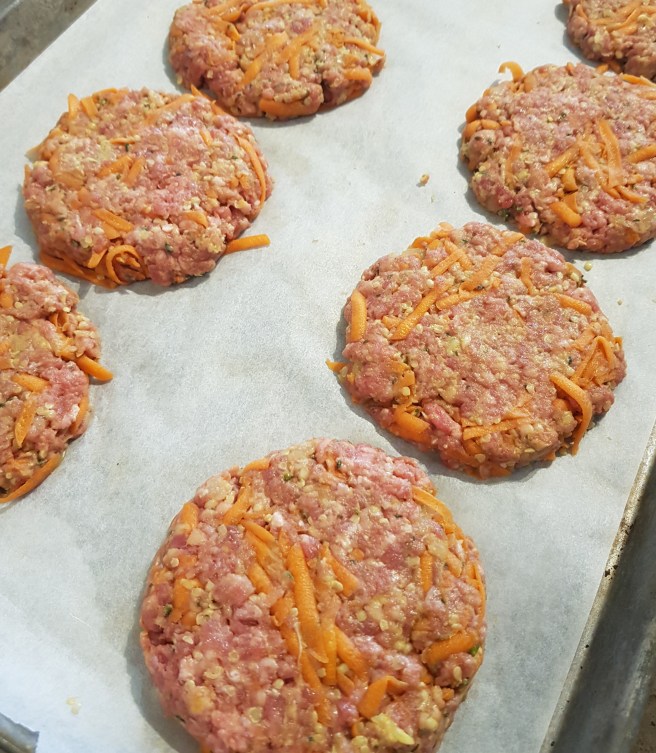
Using your hands, for the mix into patties and lay on a lined baking tray.

20200426_085034

Place into a preheated 180 oven for about 30 minutes, turning them over after 20 minutes. You can also fry them in  a pan with a little olive oil if you’d prefer.

20200417_182728

Makes 6-8 burger patties (depending on their size)

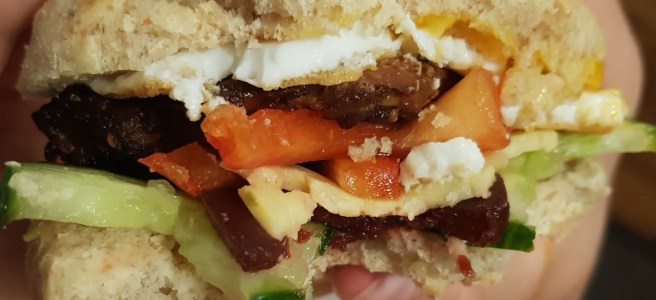
We like to have this as a ‘serve yourself meal’. Some add only cheese and cucumber, others add EVERYTHING!

20200417_183923

They are delicious in  a bunless burger ….

20200417_183829

Or with your favourite bun – We particularly enjoy them with fresh spelt/hemp buns!!!

20200414_125429

Enjoy 🙂

Sweet Potato Rolls

As are you all, we are spending a LOT more time at home at the moment.

Which, I guess, in good news – means more time for baking!

Although getting all the ingredients we normally use has been a little tricky….

But sweet potatoes are plentiful in our garden right now, so they are featuring quite a bit on our plates!

20200329_134935

20200404_185017

I was thinking about making rolls to go with our soup, when I remembered that I had seen these yummy looking rolls on ‘Super Healthy kids. The original (see the link) is a sweet version that they eat in the states for Thanksgiving.

I didn’t want a sweet roll (although I’m sure I will another time!) and I needed to adapt it to our dietary requirement (no egg, or dairy). So I got experimenting.

Our family adores these rolls. Even the sworn sweet potato hater inhaled 3 before I stopped him!

Hope you enjoy them too 🙂

  • 3 1/2 cup flour (2 cup plain & 1.5 cups wholemeal) – we use spelt
  • 1 flat tablespoon yeast, active dry
  • 1 teaspoon salt
  • 1 cup, mashed Sweet potato, cooked (about 1 medium potato)
  • 1 cup milk of choice (oat milk works well here)
  • 1/4 cup olive oil
  • 1 tsp each of rosemary and thyme, finely diced (or 1 tsp dried Italian Style herbs)
  • spray olive oil
  • extra flour for rolling

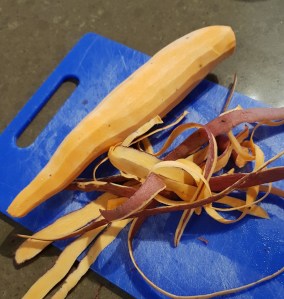
Start by peeling and dicing your sweet potato. Then steam it until it is soft (approx 4-5 mins in a microwave)

While the potato is steaming, place into your bowl/machine (see instructions below for multiple machine methods), the flour, salt, herbs, oil and yeast.

As soon as the sweet potato is cooked, drain it and mash it. Measure out your 1 cup and add it to the cup of milk. The milk doesn’t need to be warmed – by adding the potato to the milk, you’ll bring both the milk and the potato to the right temperature to make sure you don’t kill off the yeast.

Whisk the milk and potato together until they are roughly combined and then pour into the flour mix.

Give a rough mix of the dough for a few seconds and allow it to sit for 5 minutes (it won’t be all combined at this stage). Use a wooden spoon in the bowl if you’re doing it by hand, or speed 3 for 5 seconds in a thermal cooker, or about 5 seconds with a dough hook in a stand mixer.

Now get kneading –

For a bread machine: Use the dough only function. Set and walk away.

For a stand mixer with a dough hook: you’ll need to mix for 6-7 minutes

For a thermo cooker: set your knead function (for a less powerful machine, like a Bellini, you might need an extra minute or two)

By hand: flour the bench and get your muscles ready! Knead until your dough is smooth and elastic.

Place the dough ball in a lightly oiled bowl, cover with a cloth and let rise in a warm area until doubled in size – about an hour, or until your machine has finished it’s rise function.


Remove from the bowl and knock down the dough.
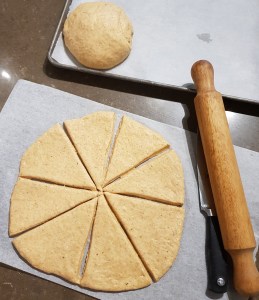
Cut it into two and roll each one into a circle – like you’re making a pizza base.
Cut each circle in to 8 wedges (again, like a pizza).
20200405_082430
Then start at the outside edge (where the the pizza crust would be) and roll toward the point to make your crescent shape.
20200404_165524
Little rolls, ready to start the second rise
Place on a lined baking dish, spray lightly with olive oil and then allow to rest in a warm place until the have doubled in size again (roughly another hour)
20200404_175936
2nd rise complete – into the oven they go
While the dough is doing it’s second rise, preheat your oven to 180C degrees.
When the second rise is complete, place into the preheated oven. Bake for 12-15 minutes or until golden brown. The bottom will sound hollow when you tap it.
20200405_082507
Delicious perfection!
Remove from the oven and cool for just a couple of minutes before you dig in!
Makes 16 rolls.
Enjoy 🙂

Feeding Our Family and Meal Planning – What works for us.

Over the last few years when I have talked about our meal planning and shopping or the way that we eat as a (fairly) big family and on a budget people look at me like I’m a teensy bit crazy.

Um … they’re probably right.

But – then I get a bajillion questions and I feel like I never get to answer them completely.

So here, in one place, I’ve brought it all together.

How we plan and how we approach food and feeding at our place.

Please let me be very clear – I know this won’t work for everyone. But this is what works well for us. There are 6 of us. The biggest ones can EAT. Seriously 😳 My husband works full time and I work two jobs. We both volunteer with our Church and sports. We want to fit in exercise and gardening and then there is allllllll of the stuff that comes with 4  VERY active children! And on top of that – we also have food allergies, fears and sensory issues to deal with, so eating out or grabbing food on the fly doesn’t always work (or suit our budget!).

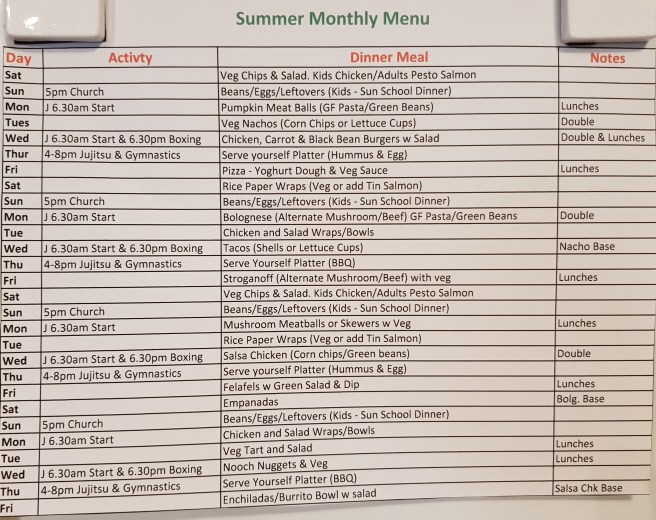
Firstly. I write a menu and do a grocery shop for a fortnightIt looks a bit like this (actually at the moment, it isn’t footy season so it’s missing a weekend game and 2 training sessions!!):

20200217_180538
Our menus change with the season and what is growing locally

You can check out this previous post about how I actually shop and budget.

You don’t feel like the thing on the menu for that night? No worries – There are plenty of other meals to choose from, so switch it up!

I talk to the kids as I’m writing it and we all give ideas as a family about what we like and are enjoying at the moment – they feel included and it helps me out not having to come up with all of the ideas!

It makes sure that it takes into account what activities we have on each day, what our work loads look like and any major things on that month. No good planning a 3 course meal for dinner and then only having 20 minutes at home in between gymnastics and jujitsu to make it!

You’ll see that we have a deliberate plan to eat left-overs (usually Sunday night) so that we reduce any food waste.

How do we eat as a family?

  • We aim to eat a variety of foods, especially plant based foods. Fruit, veg, beans and lentils, nut and seeds, whole grains etc. We try to limit too many ultra processed foods, processing in and of itself isn’t a bad thingIMG_20191017_175142_869
  • We eat a rainbow of natural colour! Lots of variety, fruits, veg and all manner of plants – raw, cooked, mixed in and visible. Make it a challenge to eat the most colours and variety. Don’t forget that frozen fruit and veg and tinned beans etc can be a great, simple, budget friendly option to help you out here.

    20200125_144417
    Choosing variety and colour!
FB_IMG_1582332691089
Literally turning platters into rainbows!
20200201_130322
So many ways to eat green!
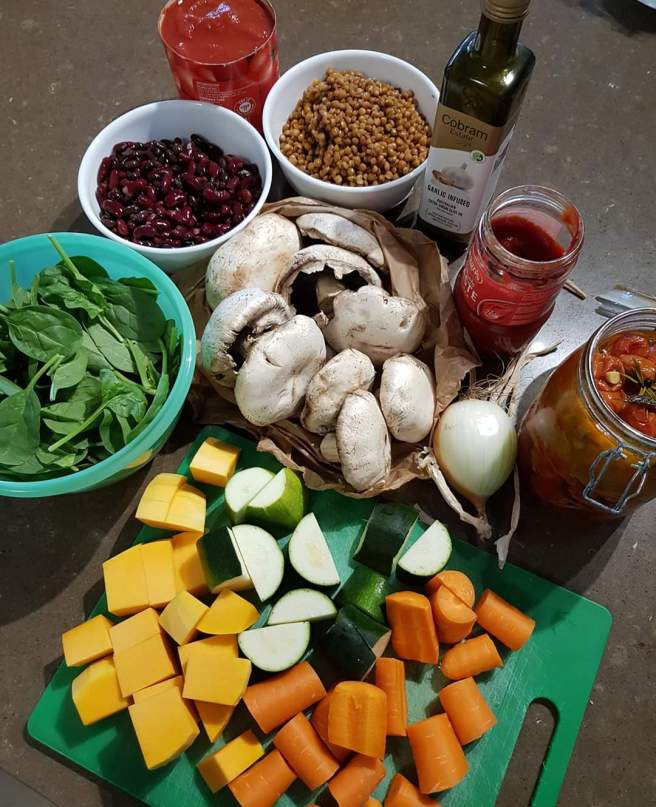
  • When we eat meat we don’t have huge portions and we don’t make it the focus of the meal – more like a side. And we bulk up the  meal with mushrooms, beans and veg as much as possible. It is very easy to get enough protein in the western world, but as a nation we don’t do well at eating enough veg or getting enough fibre (so critical to our health and wellbeing) so this is a good way to encourage it.

    FB_IMG_1582332499682
    Veggie Bolognese – mushroom and lentil style
  • As parents, we are in charge. We make the food decisions in our  house. I absolutely get that this one is controversial. And if you are going to make changes to align with this – it will take time and there will be resistance. And yes, I completely understand that this will change as the children get older (they range from 10 to 16 right now). But, I have a better idea of what their nutritional needs are. If there is food that I don’t want them to eat, I do not buy it. It’s too hard to have it in the house and then have to police it – I’m not creating opportunities for battles when there is no need. For example – I don’t want to them drink milo all the time so we don’t buy it, but it is at Nanna’s house and they have it there each week. It’s not “bad” or out of bounds, it’s just not an all the time thing in our home.
  • We subscribe very much to a ‘We provide, they decide’ approach to eating. You can check out more from Ellyn Satter  about the division of food responsibilities. This does mean that our children have the right to decide if they eat and how much they eat of the meals provided. BUT there are NO alternatives. The family meal is the family meal. This removes pressure and battles from meal time. There is no coercion around food or finishing everything on their plates. We model the food and eating behaviours we want them to share, and over time they learn to trust and listen to their bodies, serve themselves and and make good food choices. We do a lot of placing everything in the middle and letting them serve themselves. Below are rice paper wraps, fish wedges and salad, Mexican wraps/bowls plus nuggets and veg
20200223_090305
They learn to love their food!
  • We are aware of our kids likes/dislike and food preferences around textures (due to ASD and SPD) etc – But that does not mean that we simply stop serving the foods that one of them dislikes. We do talk to them when we’re creating our menu and take their input. Then they know that there is lots of food coming up that they do enjoy. If we are serving a meal that we know is not a favourite, we make sure that there are some things on the plate that they are comfortable with. If we are serving up a new meal (and one I suspect will not be well received!) I make sure that a small portion of it is on the plate (simply having the food near them helps with exposure and familiarity) but kept a bit separate from the other familiar food. Below is when we introduced mushroom stroganoff – all in one for the adults and separately, without pressure for the kids.
  • We encourage our kids to be involved with food, right from growing our veggies and helping with the gardening to helping us to prepare and serve the food.
  • We allow and encourage food exploration. Touching, poking, licking, sniffing … all fine (at our home dinner table!). Also we talk about our food in a way that removes pressure: What colour it is? Does it crunch or squish when you bite it? It is different cooked to raw? Could you make you name with it or make a face?
20200223_090251
Mum! Listen to this crunch!
20200223_090202
Wonder who is responsible for this one?
  • Food is not ‘good or bad’. It is not a moral choice. We do talk about what food gives us and how it makes us feel – this food will give me lots of protein and help me build up my muscles. This food will give me good energy to get through a long gymnastics session. This food has lots of fibre and it will help me to poop (always a favourite topic for kids!). If I eat too much of this food my tummy doesn’t feel good. We also talk about our favourite foods and our special memories around food – after all food is about far more than just nutrients!
20200223_090421
Muscles from our Hulk muffins
20200223_090549
Christmas Food with my extended family – my very favourite celebration!
  • We keep food really simple. We eat a lot of food that looks like this (you’ll see in our menu that we call them ‘serve yourself platters’):
  • The kids are not free to just help themselves whenever they want and we don’t keep lots packaged and ‘easy’ snacks. There are (reasonably) defined meal and snack times. After which the kitchen is closed. This helps them to learn to listen to their bodies and actually be ready to eat properly at meal times. Kids (and adults!) don’t actually need to graze all day long. Of course there are times when then there needs to be an exception – if they ask, they know they can usually grab an apple or a carrot. ***EDIT on living with very big teenage boys – With unusual training and work schedules now, the 2 biggest ones have more free range in the kitchen to feed themselves. The standard things always on offer to them to eat are crackers (large multigrain rice/corn/quinoa cakes that they love) and cheese, fruit and veg, high protein yoghurt, eggs, milk (good grief, the milk!!!), roasted almonds and edamame, some dried fruits and we also have protein powder for them to add to smoothies with milk, frozen berries and bananas and seed butter.
  • We cook in bulk and freeze. There are deliberate left-overs to make filling lunches and batch cooking allows the main part of the meal to be used in different ways, with very little effort on my part!
IMG_20191230_233955_494
Veggie egg cups ready for the freezer
20200223_100714
Bulk Mexican Chicken – this will portioned into the freezer and become wraps/bowls, enchiladas and tacos

Bulk bolognese gets turned into a 2nd meal of empanadas

  • We make school lunches the night before, for kids and adults alike. No exceptions. I cannot even fathom the stress of making 6 lunches in the morning whilst getting ready for school and work, getting washing on the line and starting dinner. Eek! Made the night before I have space to think about it, make sure is is varied and I sleep easier knowing is it one less job in the morning!
  • We snack plan/prep. As well as having a meal menu, we always have snack basics in the house ready to go.  It means that we can eat well with little fuss. Our go to snacks are lots of veggies and fruit then we add things like hummus, yoghurt, bliss balls, roasted almonds, hard boiled eggs, pikelets and popcorn.

So there is it.

We plan, we prepare, we eat simply, we eat variety that is heavily plant-based.

Importantly, our kids are involved with the food at all stages but we do not pressure them about food or force them to eat it. Parents decide what’s on offer, we give them opportunity to serve and explore, we model healthy eating behaviours but food is not a battle ground!

If you have made it to the end … well done! I know it seems confronting when you see it all  together. Can I encourage you if you are feeling overwhelmed to start simply. Pick one thing and go for it. Small changes really add up over time. Get your family involved and work on it together!

Good luck – I’m always here to answer questions!

J x

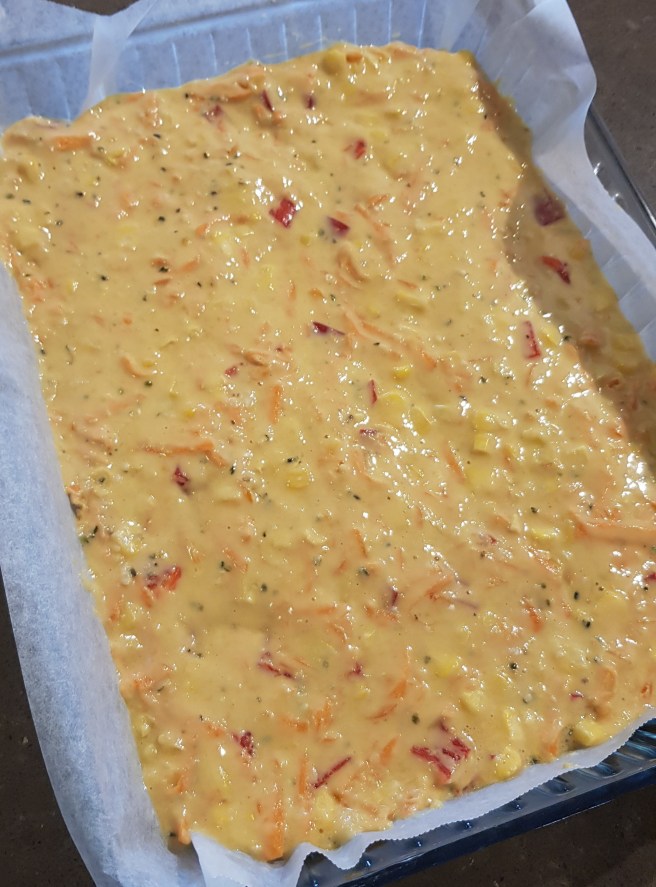
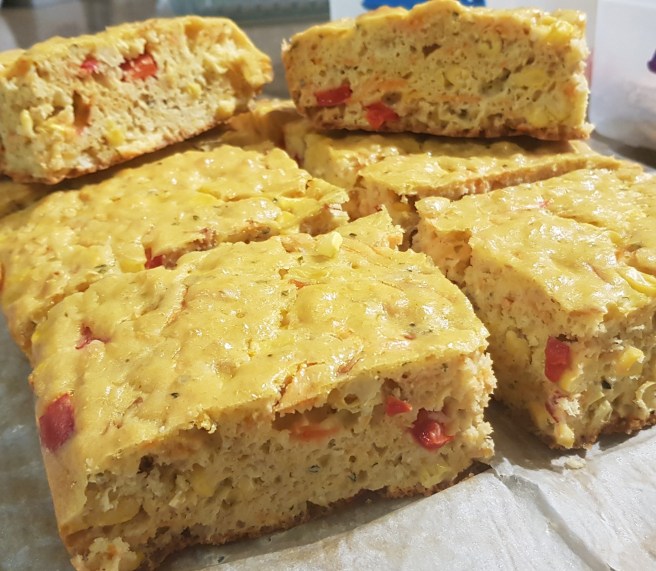
Simple egg slice

This is such an easy way to get in some extra veggies. It’s fast to make, really flexible and works well to use up veggies that might otherwise be past their best.

It does contain egg so this is not a meal that we can eat as a family … but the biggest little one loves to take it in his lunchbox and I like it on standby in the freezer for days when I’m really rushed and need to grab something to take to work for breakfast.

  • 8 eggs
  • 1/4 cup olive oil
  • 1 cup SR flour (we use spelt or GF)
  • 1/2 cup nutritional yeast
  • 4 cups chopped/grated veggies*
  • 1/3 cup hemp seeds (optional)
  • 1/2 tsp of salt and 1 tsp of mixed Italian Herbs
  • OPTIONAL: 1 cup grated cheese

*We use up what we have in the fridge. Mostly it is a mix of carrots, zucchini, corn but often we chuck in capsicum, pumpkin or event asparagus and sliced mushrooms.

Place flour, nutritional yeast, salt and dried herbs in a large bowl and use a whisk to combine evenly.

Add in grated/chopped veggies and seeds.

20190526_143922.jpg

Fold through veggies and seeds so that they are evenly coated in the flour mix.

In a separate bowl, beat together the eggs and the oil.

Pour the wet mix into the veggie mix and fold through until there is no dry flour visible.

20190526_144924.jpg

Pour into a lined baking dish, smooth out and place into a preheated moderate oven for about 40 minutes or until cooked through.

20190527_111230.jpg

20190527_111213.jpg

Eat warm, or slice and freeze.

20190527_111307

Serves 8

Enjoy 🙂

Pumpkin Meatballs

The first time I served this dinner, it was so well received by all of my kids that I was actually a little bit shocked!

The 2 big boys had seconds and asked for thirds, the 2 little ones totally cleaned their plates (including actual licking!). Ellie even asked if she could have them for her birthday dinner 😮 Now, years later they are a very firm family favourite (and Ellie does indeed have them for her birthday dinner choice!)

They are pretty simple to make, they make a lot and it’s easy to have a meat meal but use only a little meat whilst boost it with a good serve of veg to help meet our daily targets and to really increase the fibre content – Good for your health and good for your budget too! I think the key is to make the mixture fairly smooth.

  • 1kg beef mince
  • 1 400g tin butter beans, drained and rinsed (kidney beans and black beans are great too)
  • 300g pumpkin
  • 1 tsp dried Italian herbs
  • 1/2 tsp salt flakes
  • A few grinds of pepper
  • 1 tbsp garlic olive oil
  • 600ml tomato pasata
  • 1/2 cup hot veggie stock
  • Good pinch salt flakes
  • Fresh basil
  • Pasta of choice to serve

Roughly cut the pumpkin and place into your processor, then process until very fine. (Speed 5, 8 seconds, scrape down and repeat).

Now add in the beans, herbs, salt and pepper in your food processor and process until well combined. (Speed 4, 10secs)

Whilst processing (Speed 4), add in the beef mince through the top chute, then continue mixing until well combined and fairly smooth. Blitz for a little longer or at a higher speed if you want less visible ‘bits’.

Place mix into the fridge for at least an hour, but up to overnight.

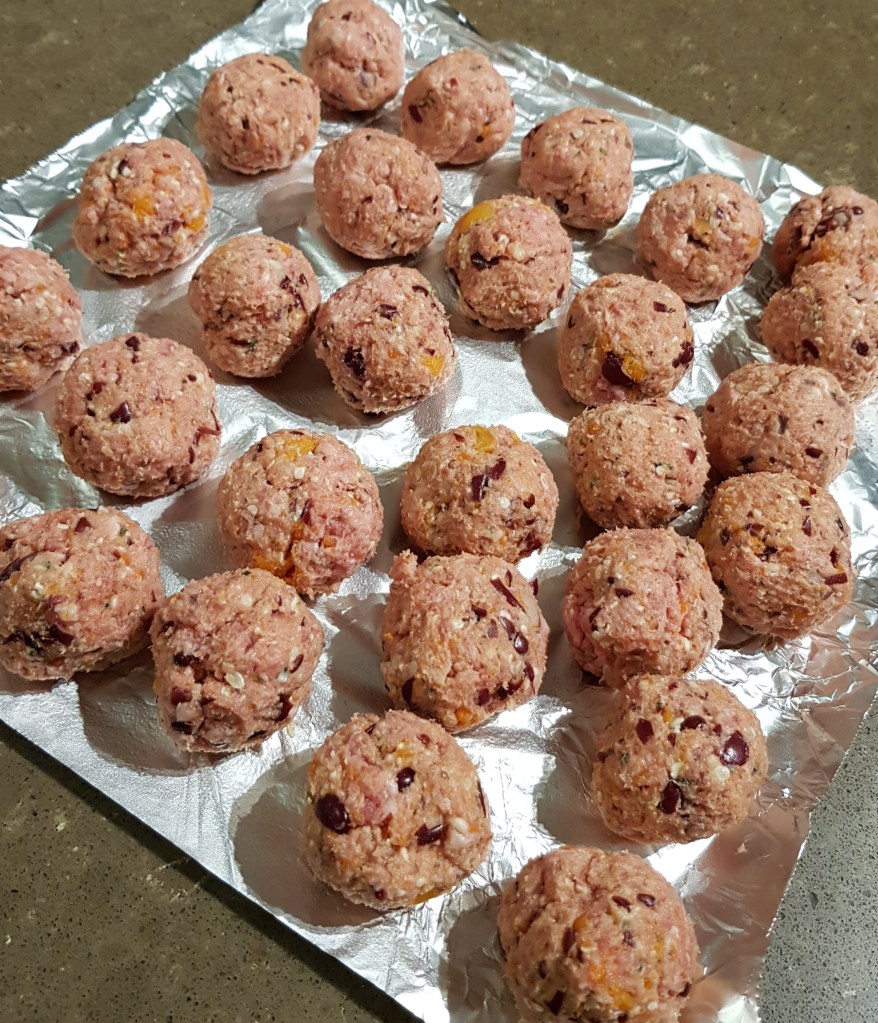
Using a heaped teaspoon of the mixture, roll the meat balls (or make bigger patties)

20190721_202340
this version has kidney beans and I have left them a little chunkier in texture

Heat the oil in a fry pan and fry meatballs on each side until golden.

20180515_064720

Add in the pasata, stock, pinch of salt and basil and simmer gently for 5-6 minutes before turning balls and simmer for a further 5-6 minutes or entirely cooked through.

20180515_064945

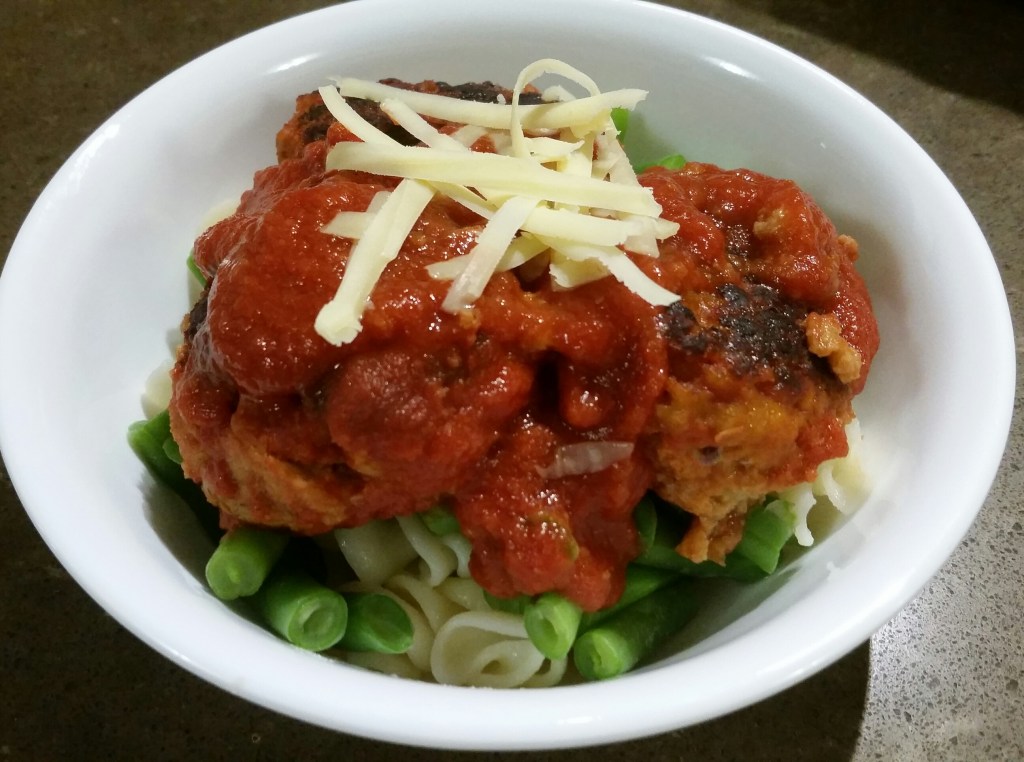
Serve on your favourite pasta and top with a little cheese that suits your diet.

20180515_173902-1
We use a mixture of GF pasta and steamed green beans as our base

*Recently when we’ve been making these I’ve been baking them to avoid the crazy splatter on my stove (No one wants that clean up!). Brown them with the oil in the frying pan then pop them in a big baking dish, pour over the pasata and stock, top with basil and then cover with alfoil. Place in to a preheated 200C for 25 minutes.

If you want cheese on top, remove alfoil and sprinkle with grated cheese then return baking dish to oven for the last 10 minutes

20200811_184956

Makes about 24 meatballs

Enjoy 🙂

P.S. These make a great ‘bring and share’ as well as ‘serve yourself’ dinner – I recently made a triple batch to share with our family bible study group and they were demolished by kids and adults alike!

Vanilla Almond Pikelets (Hotcakes)

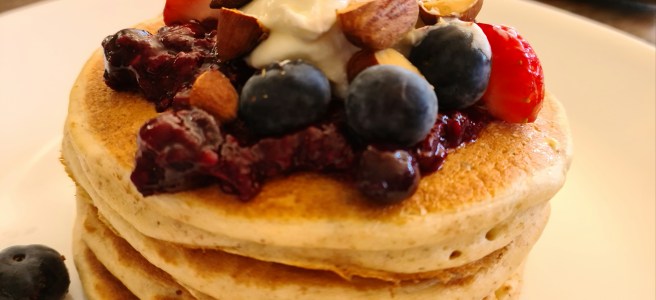
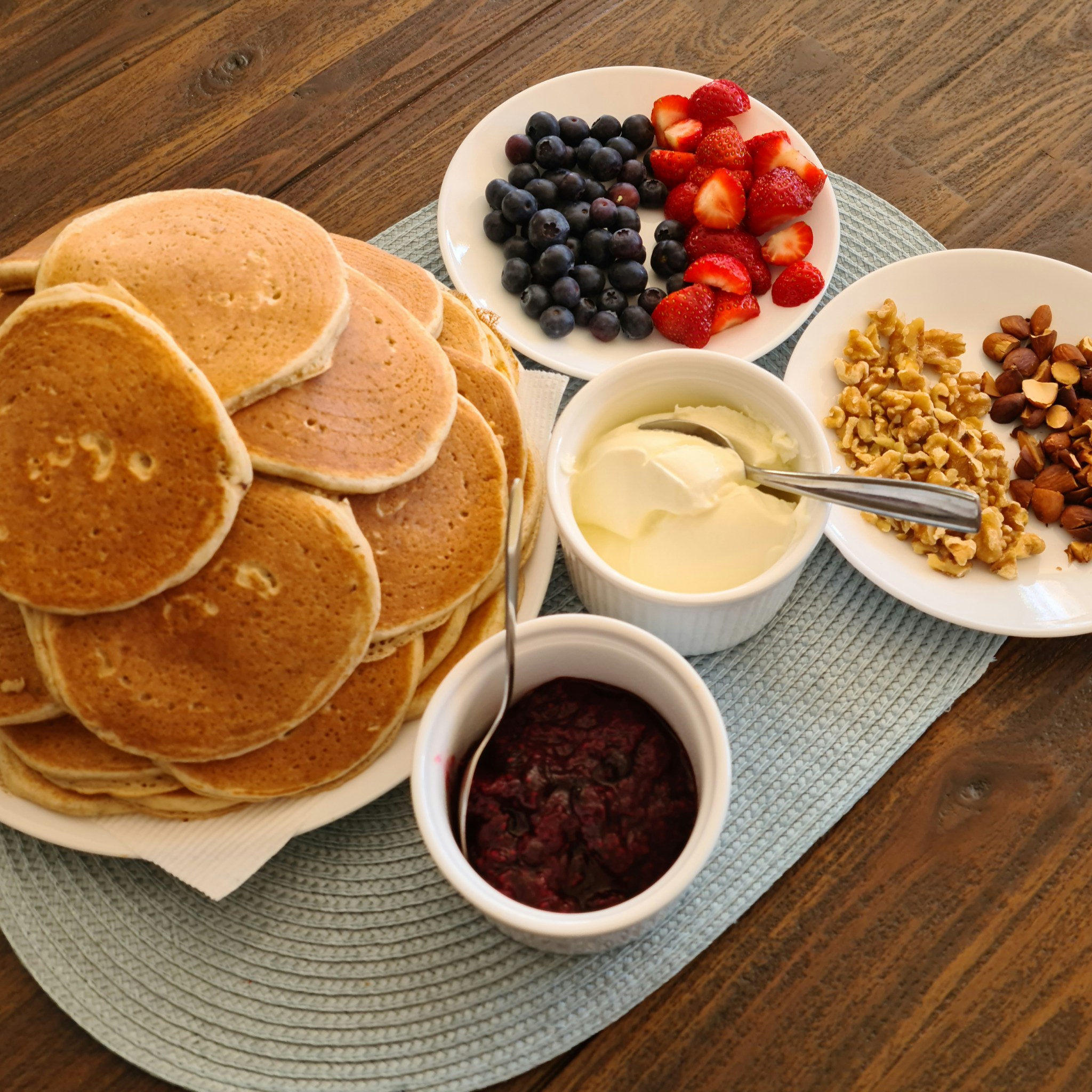
Light and fluffy pikelets (or you might know them as hotcakes?!)  –  are a very popular weekend breakfast in our house.

These are light, fluffy and fragrant and they get absolutely demolished …. by all 6 of us!

  • 1 1/2 cups flour (half wholemeal) OR 1 1/3 cups plain GF flour mix
  • 1/2 cup almond meal OR a seed meal mix
  • 2 tsp GF baking powder
  • 1 1/2 cups milk of choice
  • 30g melted butter/nuttelex/light tasting oil
  • 1 tsp vanilla bean paste
  • 1 whole egg OR 3 tbsp aquafaba (liquid drained from can of chick peas) OR 1 medium, overripe banana, well mashed
  • Optional- 1 tbsp sugar or maple syrup*
  • Optional – 1/4 cup hemp seeds
  • toppings of choice to serve
  • 1/2 cup frozen blueberries (optional)

*We don’t add any sweetener when we use a ripe banana in the mix, but taste test and adjust according to your preference.

20200815_102153

In a large bowl whisk together all of your dry ingredients (Speed 4, 10 seconds). Then set aside.

Mix together the oil/butter, milk and vanilla and whisk until well combined. If you are using the maple syrup, aquafaba, banana or an egg, add in at this step. (Blend all together on speed 5 for 8 secs)

Pour the wet mix into the dry mix and whisk well to combine. (Speed 4, 10 seconds, scrape down and repeat).

Fold through the blueberries (Use speed 3 for 15 seconds), if using. Vanilla, almonds and blueberries go so well together!

Pour the batter into a preheated (medium heat) lightly greased frying pan, wait until bubbles appear on the surface, then flip and cook until both sides are golden brown.

FB_IMG_1580391331479

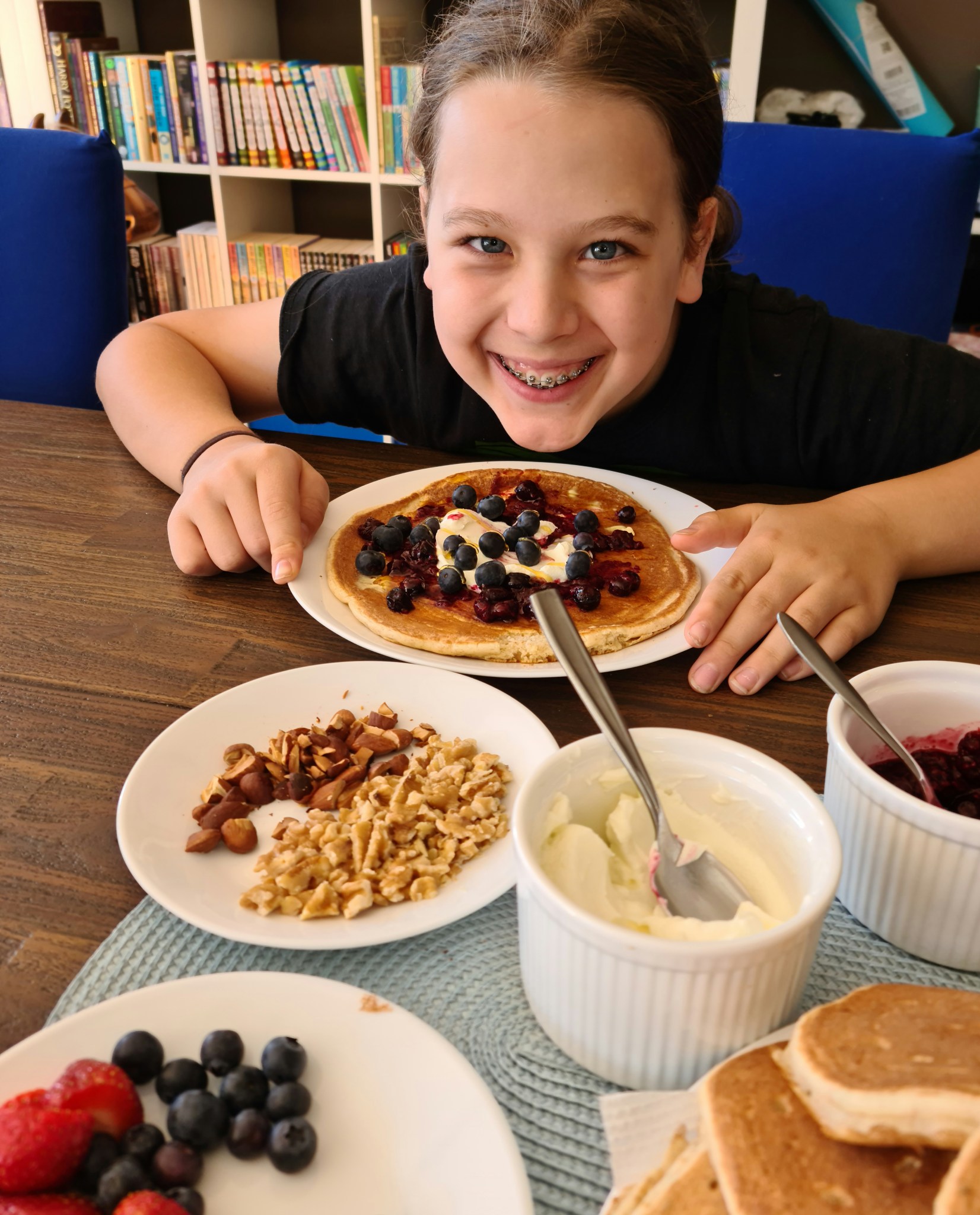
Add your topping of choice and serve warm.

These ones also freeze and defrost really well. I tend to make a double batch and then freeze 2 together, sandwich style, with vegan butter or sunflower seed butter in the middle for an easy, low mess snack -perfect for lunchboxes or rushed school morning breakfast!

20200815_102428

Enjoy … We sure do!

20200815_102513

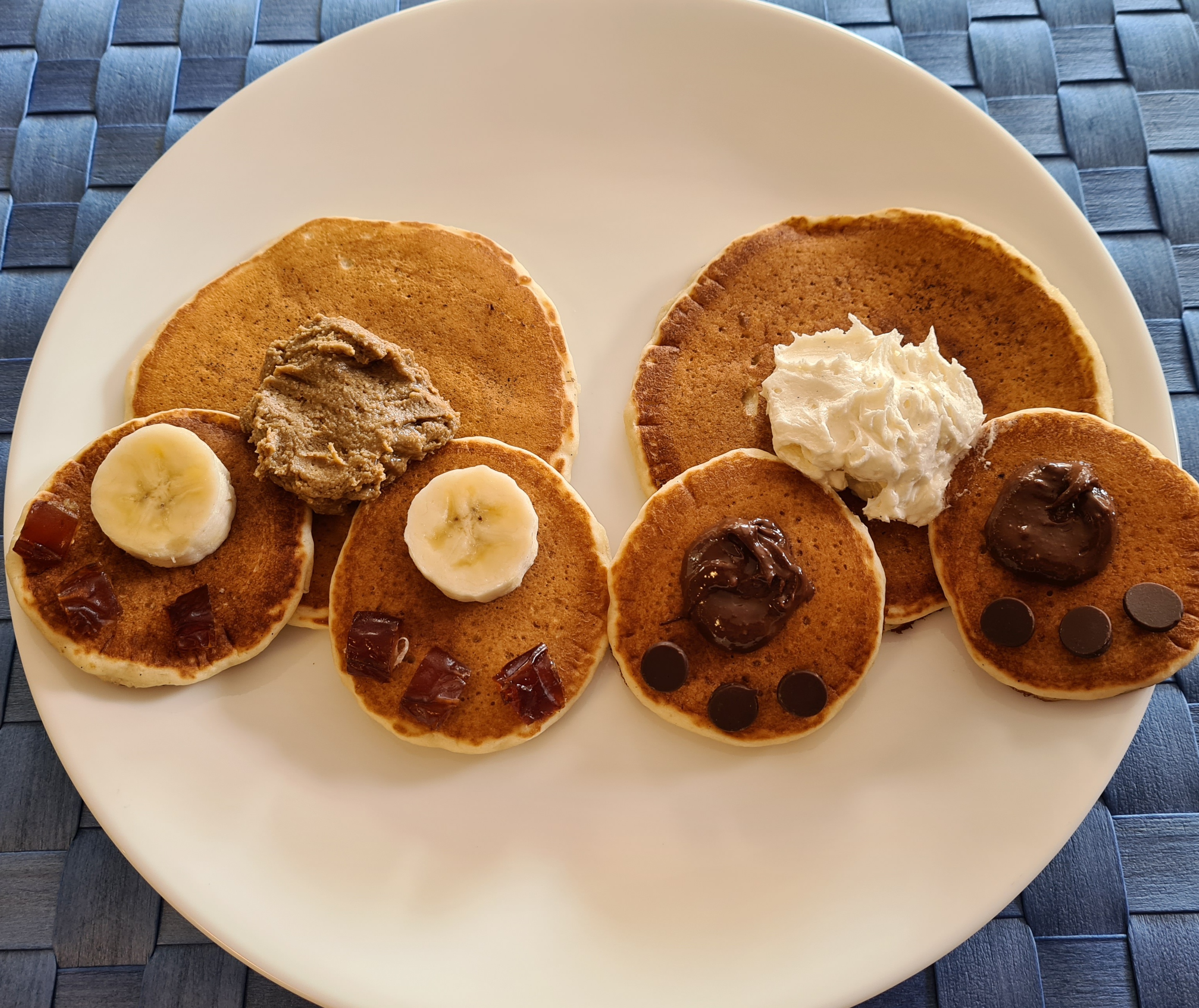
For Easter we have tuned our pikelets in to bunny butts! So cute as they run away!

A bigger one for the body and 2 smaller ones for the feet – decorate with your imagination.

We like Bananas, dates and seed butter as a great combo, or if you’re a serious sweet tooth, whipped cream and dark chocolate!

Doughnut muffins

They were a really easy (and VERY popular!) school holiday treat to bake with the kids, and I have done my best to make it a little healthier than the original, which you can find here.

See below the recipe for a gluten free Coeliac friendly version and several options for a nutrition boost.

Also see below the recipe for how to make mini baked doughnuts with this recipe.

  • 200g SR flour (half wholemeal)
  • 90g sugar
  • 1/2 tsp flaked salt
  • 1 tsp mixed spice
  • 1 egg worth of egg replacer (OR 3 tbsp aquafaba OR 1 whole egg)
  • 65g light olive oil/melted butter or nuttelex
  • 240g milk of choice
  • Melted nuttelex/butter to top
  • extra sugar and spice to top (mix in a 10:1 ratio)

In a large bowl place the flour, sugar, salt, spice and egg replacer (if using). Use a whisk to combine the dry mix. (Speed 4, 8 seconds)

In a separate smaller bowl whisk together the oil and milk. Add in aquafaba or whole egg at this point if using. (If using a thermal cooker, add the liquids to the dry mix here)

Pour the wet mix into the dry mix and whisk vigorously to combine mix until smooth. (Speed 4, 8 seconds)

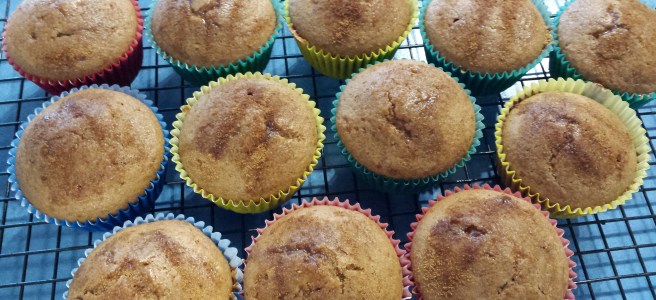
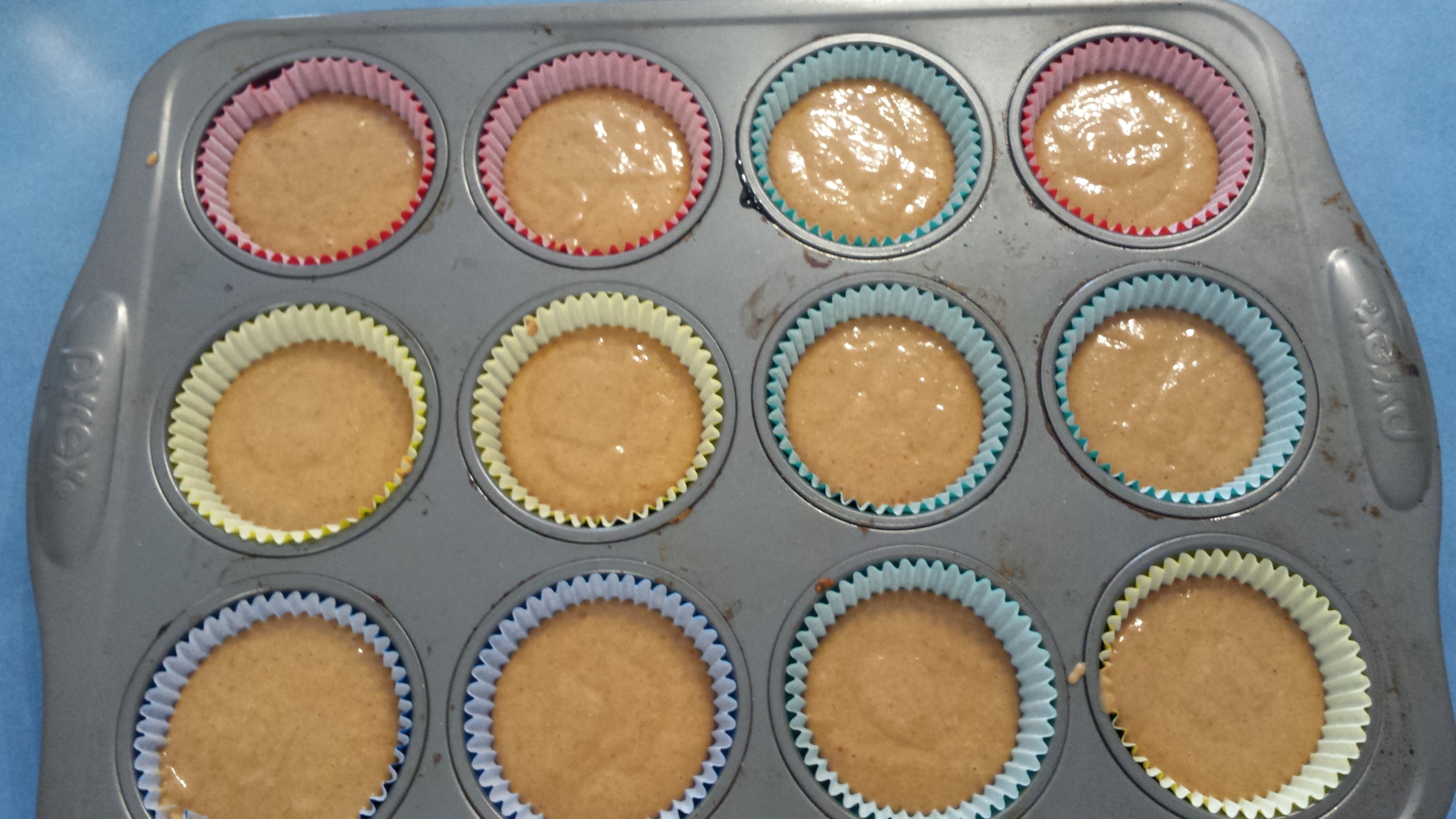
Place into lined muffin pans and bake in a preheated 180C oven for about 20 minutes.

20150707_132545

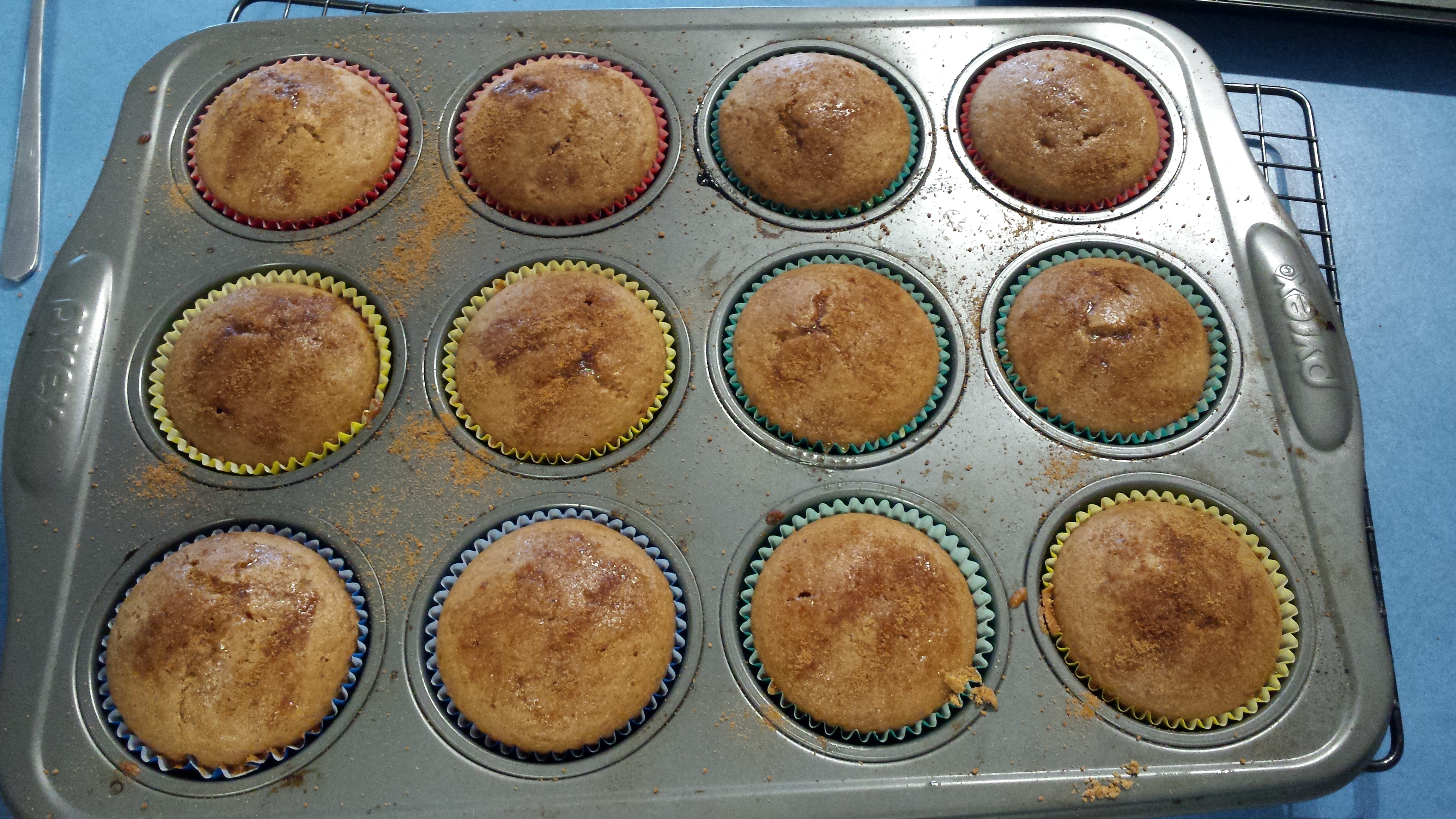
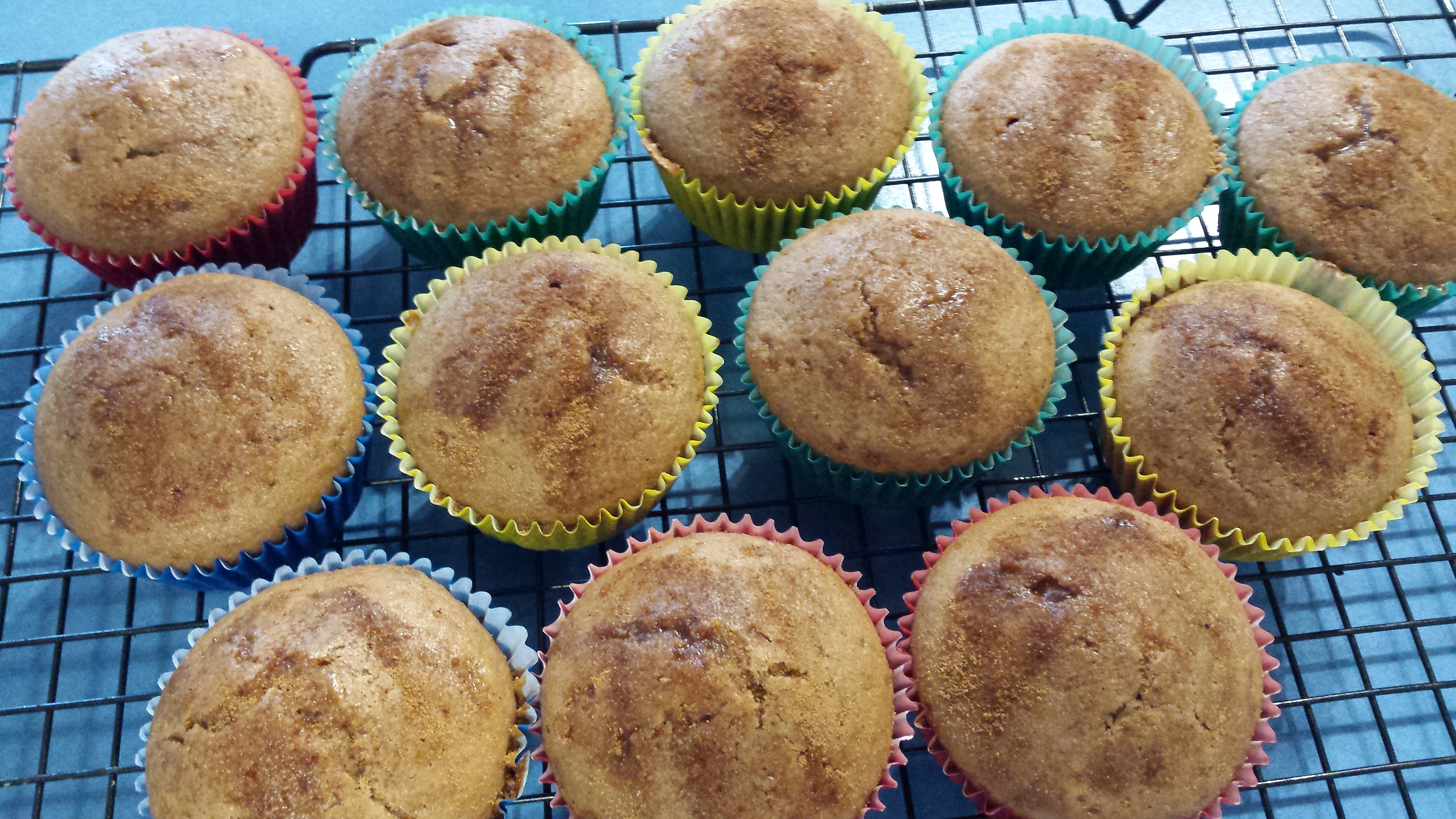
As soon as you remove the muffins from the oven, brush them with melted Nuttelex/butter and sprinkle with a mix of sugar and spice.

20150707_134853

Makes 12 …. did not last long in my very busy, hungry house!! Now I just make double batches and freeze 😉

20150707_135100

Enjoy!!!!!

To make these Coeliac friendly replace the spelt flour with 1 1/4 cup of a gluten free flour mix plus 1 tsp psyllium.

For a more filling version, I replace 50g of the flour with 50g of nut/seed meal.

You can also also replace the oil with a very well mashed medium overripe banana.

Boost the protein with 1/4 cup of hemp seeds.

Add some more fibre with 1 medium grated apple (or blitz it in your machine) – if you use this option, you will need to reduce the milk to 200g.

To make these into mini doughnuts you need an appropriate tin, very well greased.

Place the mixture into a piping bag and pipe the mixture into the tin.

Cooking a moderate oven for about 8-10 minutes. Allow to cool in the tin for a few minutes before removing to a wire rack.

For a spiced doughnut, brush the tops with a melted vegan butter and sprinkle with the same sugar and spice mix as above.

20200810_081548

For an iced doughnut, melt some dark chocolate of choice, then drop the doughnuts into it and then sprinkle with your choice of decorations. We use the Hoppers 100s & 1000.

FB_IMG_1503800633815

Enjoy!

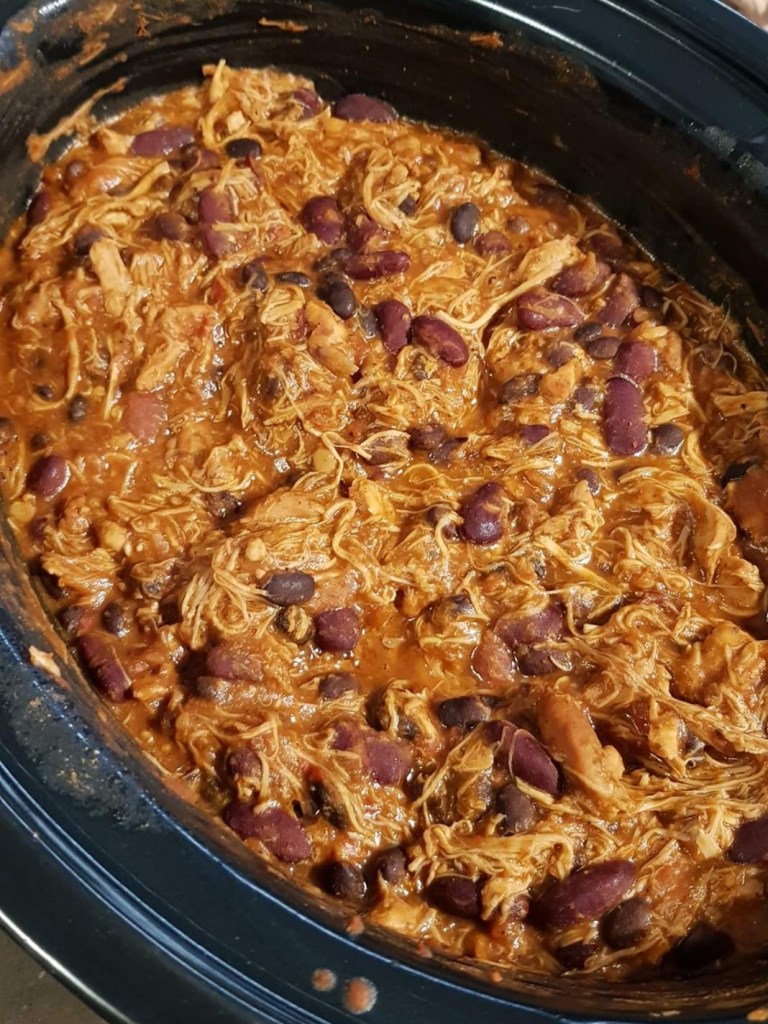
Salsa Chicken

This is now a long term family favourite in our house!

It was adapted from a recipe on the Slow Cooker site I belonged to, called ‘My Slow Cooker Recipes!!!’. *Check out the notes at the bottom of the recipe of you want a stove top version.

  • 6 large chicken thighs, skin removed
  • 2 tbsp Mexican Seasoning
  • Mexican salsa (2/3 of this quantity)2-July 2013 117
  • 1 x 420g tin corn kernels, drained*
  • 1 x 420g tin  kidney beans, drained
  • 1 x 420g tin black beans, drained
  • 1 bag plain corn chips
  • Grated Cheese of choice, optional
  • 1 tbsp coconut cream (use the solid part at the top of the tin), optional
  • 1 400g tin refried beans, optional**

*If you don’t wish to eat the corn, replace it with equal quantities of extra beans.

**The refried beans are great if you are using this dish in any kind of wrap as it makes the sauce thicker.

Place chicken in the bottom of the slow cooker.

Sprinkle over the seasoning, then add the salsa and all of the beans.

Replace lid on slow cooker and cook on low for 8 hours.

If you are using corn, stir it through about an hour before the end.

Just before serving, stir though the coconut cream if you want a creamier sauce.

Serve on a bed of corn chips and sprinkle with a cheese that fits your diet.

(If you are avoiding corn chips, I have really enjoyed a scoop of the meat and veg mix topped with 1/2 a sliced ripe avocado and a sprinkle of fresh coriander). Or serve on wild rice.

20151102_174117

This makes a large batch, enough for about 8 adult sized meals. I freeze the left over half of the chicken mix and it defrosts really well.

If you don’t want as much spice, use the mild version of taco salsa.

1-July 2013 119

*Stove top method: Place chicken in a hot oiled pan (preferably use a pan with a lid). Brown one side then sprinkle over the seasoning, brown the second for a further 2 minutes and then cover with the salsa.

Place lid on the pan and simmer very gently for 25 minutes, or until chicken is cooked through.

Remove the chicken and dice.

Place the corn and beans in the hot salsa mix, stir through and return the lid, cooking for 2 minutes before returning the diced chicken to the pan and mixing through.

Stir through the coconut cream if desired.

Enjoy 🙂

P.S you can change this one up a bit by using gravy beef in place of the chicken.

20160808_180032

20200223_100714
The no corn option with added refried beans makes a great filling for Burritos, Enchiladas and Tacos!

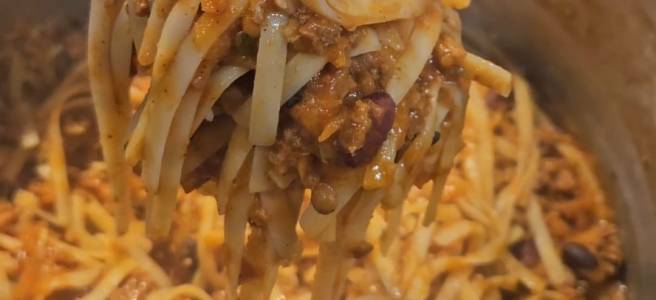
Lazy Bolognese-y

Hello!

Hope that you have had a lovely Christmas and school holiday break. We had a wonderful time – 5 weeks with our families, split between a remote caravan park, a beach house and my family home in Perth.

While it was delightful being away, the kids ate more refined and packaged foods and sweets than they would normally have, so I have been finding it difficult to get them back into their regular eating routine – especially with Harry and vegetables.

So when I made spag bol the other night, instead of just grating in the veggies like I normally do, I then blitzed them in the food processor before adding them to the meat which made a really nice thick sauce … without obvious pieces of ‘pooey vegetables’ (my lovely 2 year old!). Harry was so excited to see how much ‘meat’ he had on his spaghetti that he practically inhaled the bowlful – win for Mummy!!

See below the recipe for a link to our meat free bolognese.

  • 500g beef mince
  • 1 brown onion, finely chopped
  • 2 tbsp garlic olive oil
  • 1-2 tsp minced chillies (or 1/2 tsp dried, ground chilli)
  • 1 large carrot
  • 1 large zucchini
  • 1 tin (420g) beans, drained and rinsed (kidney beans, black beans or a 3 bean mix)
  • 1 tin (420g) lentils, drained and rinsed
  • 10-12  button mushrooms
  • Fist sized piece of sweet potato or pumpkin
  • 1 large jar of tomato passata (approx 700g)
  • 3 tbsp tomato paste
  • 1/4 cup coconut aminos (or you could use red wine)
  • 1 tsp beef stock powder (we use the Massel brand)
  • spaghetti or fettuccine (we use the gluten free versions)

Heat the oil in a large frying pan, then add the onion and cook, stirring, until soft and golden

Add the mince and break it into small pieces as it browns, add the passata, paste, aminos/wine and stock. Mix well and turn down to low heat. Add in the lentils.

Meanwhile, in the food processor blitz or grate the vegetables, beans and mushrooms. Process more or less depending on how smooth you want your sauce.

Add the veggie mix to the meat mix in the saucepan and stir well. Bring to a very gentle simmer for about half an hour, stirring regularly. I leave the saucepan lid on but cracked open.

Serve on the cooked pasta or a bed of steamed green beans – add grated cheese of choice to top if you like.

This makes a large batch. The Bolognese freezes and thaws well.

20170209_153036

Enjoy 🙂

If you are a fan of bolognese, but you’d like a meat free option, check out our yummy mushroom and lentil bolognese.

Optional – Add in a few tablespoons of my tomato confit for an extra flavour boost.

20170209_150614-1

UPDATE : This recipe remains a firm favourite in our home (12 years after I originally posted this recipe!). But these days there are 6 mouths to feed and 2 of those mouths belong to very big teenage boys and another pre-teen who is entering his eating era! So I only ever make this in a double batch – thank goodness for a 12L saucepan!! Because the meal is filling, high protein, high fibre, an excellent way to contribute to veg consumption and allergy friendly, it is very common for this to also go to school in a lunchbox thermos – so a double batch never goes to waste!

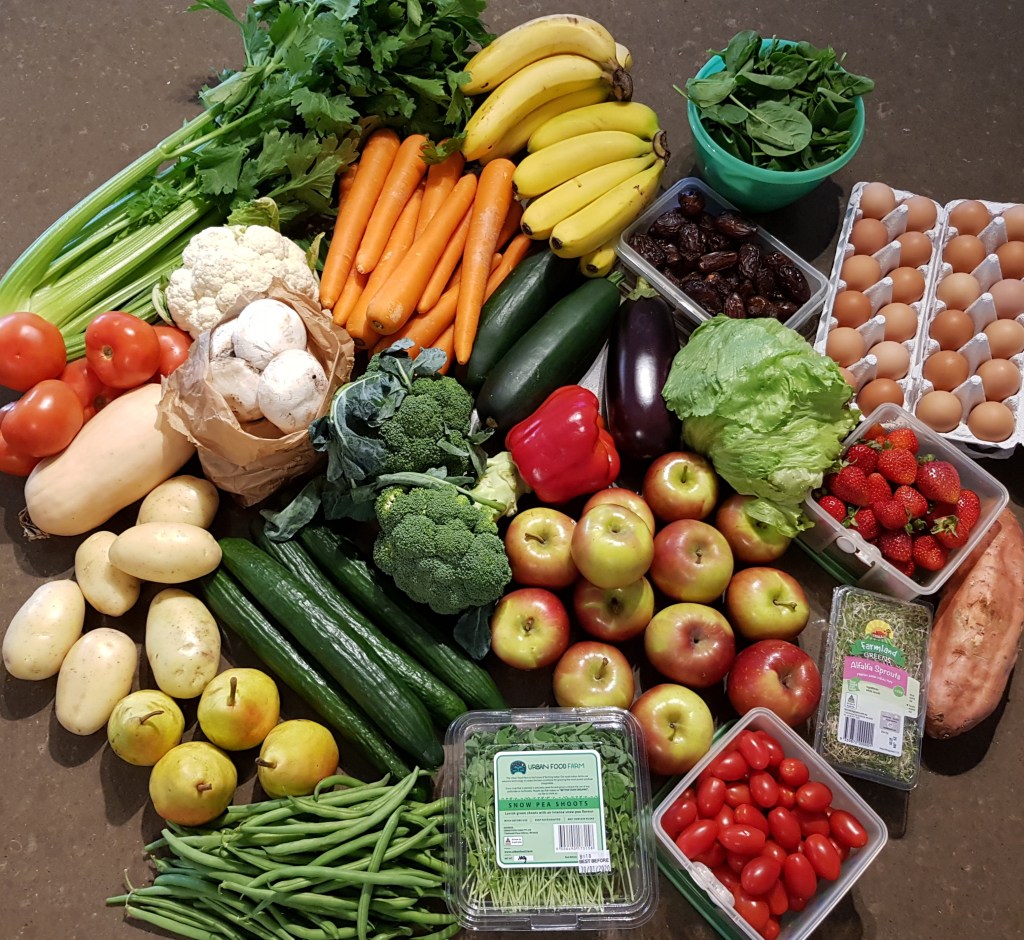
What’s in my kitchen?

This post is to help give you an idea of the kinds of things you might need/want in your kitchen if you are a family with multiple food allergies who is looking for what you CAN eat!

(Update: As our kids are getting older and we have fewer allergies to contend with, this is still how we eat to fill them up and meet our nutrition needs)

After a horrible mouse plague when we lived in the desert (we’d sometimes kill more than 20 in a night inside!!), everything needed to be airtight so we have A LOT of Tupperware. You can check out my fridge and pantry in more detail out below:

20200216_125731

20200125_144417

IN THE FRIDGE we have:

Nuttelex: We use Nuttlelex (a vegan butter) for the dairy free option, especially in baking. A separate knife is always used in this.

Butter: Plain butter for the non dairy free.

Milks: Full cream cows milk for 3 of our family, lactose free UHT for one, another drinks UHT oat milk and I whilst I don’t really enjoy any kind of milk, I use high protein almond milk in smoothies. We also use soy milk in baking. It’s quite the selection!

Yoghurts: I don’t make our dairy yoghurt any more (it is a time issue) but we buy a natural, high protein greek yoghurt. This is the best at filling the kids and is the most flexible for us to flavour and sweeten in the different ways we prefer. E’s yoghurt is always homemade soy. Both recipes are here.

Eggs: 5 of the 6 of us can eat eggs now (YAY!).

Cheese: Dairy Cheese and Bio Cheese. I buy 1kg blocks of the fairy cheese and grate in my food processor to save money. Pre-sliced cheese also helpful for a little portion distribution when teens make their own food!!

Medjool dates: I buy them in bulk as they are the base for many of things we make.

Dips and spreads: Cream Cheese (soy and dairy), sunflower seed butter & hummus,

Herbs/Spices: minced garlic, ginger and chilli, coconut aminos, thai chilli paste, lemongrass (when our garden allows)

Extras: Tahini for making hummus, lemon juice, maple syrup and a constant supply of hemp seeds. There is always a container of bliss balls on the go too.

We always have loads of in season fruit and vegetables on hand for easy snacks.

IN THE FREEZER we have:

I am lucky enough to have a big freezer. It is split into 6 labelled drawers (Yup, I’m a massive nerd!).

Drawer 1: Loaves of sliced light rye bread, wraps (usually whole grain, seeded or high protein), wholemeal pizza bases.

Drawer 2: Baked goods like scrolls, pizzas and, portioned cakes, pikelets or muffins. These are cut and frozen in ziplock bags, to pull out easily for making lunch boxes each night.

Drawer 3: Meat. I buy for a month at a time based on our menu and portion it out and label it before freezing.

Drawer 4: Pre-made meals. I cook in bulk and freeze the additional portions. Also here I have homemade gravies (in reusable squeeze pouches), jars of salsa, apple sauce and ice cubes of aquafaba (for replacing eggs in baked goods).

Drawer 5: Frozen fruits & herbs. Peeled, overripe bananas, peeled and seeded avocados, mangoes, berries, and extra herbs from my garden.

Drawer 6: Frozen Veg – always a BIG bag of mixed frozen veg, plus peas, corn, spinach (I freeze half the bag if I buy it fresh), green beans etc.

We have an additional freezer in our garage (yes – VERY lucky!) that we use to buy and store extra loaves of bread and bottles of milk – this saves us making unnecessary trips back to the shop. Also portioned meat if we happen to find a very good sale.

IN THE PANTRY we have:

Flours: A few different kinds but we largely use spelt, a 50% of white/wholemeal self raising or a store bought GF mix. 20151023_212005

Sweeteners: Honey, golden syrup, rice malt syrup, raw sugar, also icing sugar for cakes. I used to use coconut sugar a lot as I liked the caramel taste, but to save cost, we no longer use it.

Carbohydrates: We use mostly mix of GF pasta & spaghetti, including lentil and veggie based pasta. Also brown rice, quinoa, corn couscous and sometimes arborio rice for risotto.

No egg: a powdered egg replacer made by Orgran

Cereals: We make porridge or overnight oats made with plain rolled oats, but we also make our own muesli (with a mix of seeds and dried fruits) or granola and have some allergy friendly cereals like puffed rice, cornflakes and oat bran flakes. GF weetbix is a massive favourite (we’re desperate for a bigger sized box!) … and occasionally, when it is half  price, the generic version of Nutrigrain (that is a new addition with teenage boys 🤨).

Condiments etc: salt and pepper, dried herbs and spices (galore!), tomato, bbq, (homemade) sweet chilli sauce and coconut aminos. We use balsamic, red wine, white and apple cider vinegars, Massel stock powder (chicken and beef style). The oil we use is mostly extra virgin olive oil. We love the lemon, garlic and chilli flavoured olive oil to add a flavour boost. I make my own Mexican Spice mix and French Onion Soup mix. Nutritional yeast features heavily too.

Spreads: Honey (we are very lucky to get most of our honey from my mother in law’s hives), vegemite (in the biggest vat we can find!) and of course there is always a huge jar of Sunflower Seed Butter. We also like to make almond and walnut butter.

Dried fruits: Sultanas, apricots and prunes are the staples. Dried mango when it is on sale, and occasionally dried apple.

For baking: GF baking powder, bi-carb, glucose syrup, vanilla bean paste, cocoa/cacao, cinnamon, ginger and other fragrant spices.

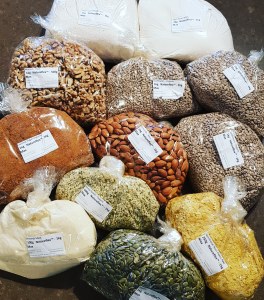
Seeds and nuts: Our regular stock is: sunflower seeds, hemp seeds, pumpkin seeds, flax seeds and chia seeds. Raw and dry roasted almonds, dried chick peas or dried broad beans. A dried soup mix that I make by mixing red and french lentils, yellow and green split peas and barley. We also have white and black dried beans ready to soak. The nuts we can have in our house are almonds, walnuts and pine nuts. Macadamias are also safe .. but who can afford those 🤣

Crackers and biscuits: Multi-grain rice/quinoa squares, and wholegrain sa-ka-ta rice crackers. Biscuits are normally homemade but we keep a backup packet of allergy friendly ginger nuts as a back up too.

Tins: Beans and legumes – allll of the beans, coconut cream, baked beans. Crushed tomatoes, tomato paste and passata. Tins of salmon, flavoured to add to lunches and plain for recipes. Tinned fruit (in juice rather than syrup), especially pineapple and stone fruits like peaches or apricots that are often too expensive in their fresh form.

Snacks and special items: Organ makes a good custard powder. Mini marshmallows or Sweet William chocolate or choc chips, also ‘Free From’ Cake mix sometimes on standby. Popcorn kernels – so cheap and easy!! Packaged items like choc covered chickpeas (from the Happy Snack company) and Harvest Snaps peas (Calbee) and roasted edamame (The Only Bean company), and sometimes banana chips.

If it is available and our budget allows, I buy Australian grown/made when possible. I admit that this is getting harder and harder with the rapidly increasing cost of living.